
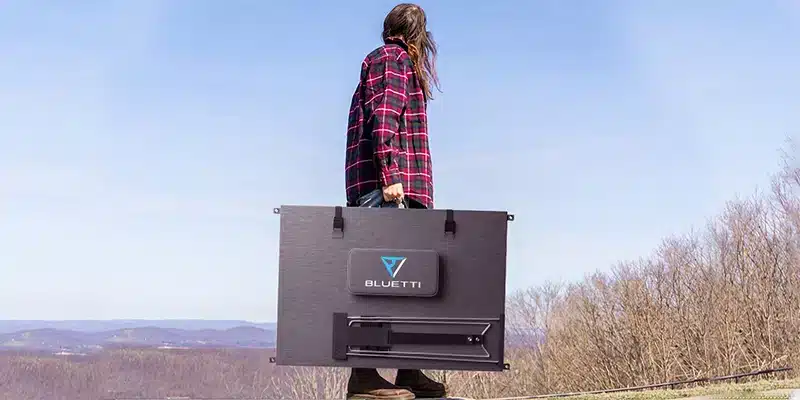
This is a structured, authority-style refresh of our coverage of Bluetti PV420 Solar Panel: Bluetti’s 420W Folding Solar Panel – Bluetti PV420 vs PV350 PV200 Solar Panels.
Quick take
- Bluetti PV420 Solar Panel: A high-efficiency 420W folding panel designed for off-grid power stations. Ideal for RVers, campers, and emergency preparedness.
- Verify the exact model/revision and current availability before buying—product specs and bundles change.
- Prioritize real-world constraints: power draw, charging/recharge plan, durability, and warranty/support.
What it is (and what problem it solves off-grid)
This article covers Bluetti PV420 Solar Panel: Bluetti’s 420W Folding Solar Panel – Bluetti PV420 PV350 PV200 Solar Panels with an off-grid lens: what it does, what it replaces, and when it’s actually useful away from shore power.
Key specs and claims to verify
If you’re deciding whether this is worth buying, these are the numbers that matter most. Treat specs quoted in older posts as “claimed” unless confirmed via current manufacturer documentation.
- Rated output: 420W (real-world: ~385W in full sun)
- Weight: 26.4 lbs (12 kg) — manageable for one person
- Foldable design: 3 panels that fold to 12″ × 24″
- Water resistance: IP65 rating — survives desert storms
- Connector: MC4 — compatible with Bluetti AC200MAX, AC300, EP500 series
- Temperature range: -4°F to 149°F (-20°C to 65°C)
How to choose (authority checklist)
- Power plan: What runs it, and how do you recharge it daily? (Pair with 2000Wh+ power station)
- Duty-cycle reality: Continuous max draw vs typical draw. Avoid running high-wattage appliances directly from panel.
- Portability: Weight, setup time (5 min), and whether it’s realistic for your trips.
- Support: 2-year warranty, U.S.-based customer service. Replacement panels available.
Who it’s for / who should skip it
- Good fit: You need 300-500W of portable solar for extended off-grid trips, RV living, or emergency backup.
- Skip: You need >1kW of daily solar power. Consider multiple panels or a fixed installation.
FAQ (Yoast)
Yes if you need the extra headroom. In real-world sun, the PV420’s additional wattage can translate into a noticeable bump in daily kWh—especially when you’re trying to fully recharge a 2 kWh+ power station before late afternoon. If portability matters more than output, the PV350 can still be the better carry.
Usually, yes. It uses MC4 connectors, so many third-party power stations can accept it as long as the PV420’s voltage/current fits your unit’s solar input limits. Always confirm your power station’s max solar input voltage (Voc) and current (A) before connecting.
Like any panel, shade hurts—but the PV420 handles it better than older folding panels thanks to bypass diodes. You’ll still want to avoid shading even a small portion if you can, because a single shaded section can drag down the whole array.
In strong summer sun with decent panel angle, a single PV420 can realistically produce roughly 1.8–2.4 kWh/day. In winter or with flat placement, expect less. The biggest gains come from aiming the panel and adjusting angle once or twice during the day.
Yes—if you treat it like a piece of gear, not a roof install. Keep connectors out of dust, don’t fold it with grit trapped in the hinges, and avoid leaving it face-down in rocks. With normal care, the frame and laminate hold up well for repeated trips.
Related articles
- Jackery Explorer 1000 v2 Review: Specs, Charging, and Best Uses
- Titan 240SP: A Modular Heavy-Duty Portable Solar Generator
- Jackery 300 and SolarSaga 100W: Hands On Experience
Sources
Where to buy / deals
Robert DeWitt writes and tests off-grid power gear for Off Grid Power Boom. Based in Arizona, he uses portable power stations, solar panels, and battery systems regularly in extreme heat—focusing on practical runtime, charging speed, reliability, and real-world usability for camping, RV trips, and home backup.
Editorial focus: portable power stations & solar generators, solar panel setups, batteries/inverters, and off-grid preparedness.
Robert DeWitt writes and tests off-grid power gear for Off Grid Power Boom. Based in Arizona, he uses portable power stations, solar panels, and battery systems regularly in extreme heat—focusing on practical runtime, charging speed, reliability, and real-world usability for camping, RV trips, and home backup.
Editorial focus: portable power stations & solar generators, solar panel setups, batteries/inverters, and off-grid preparedness.